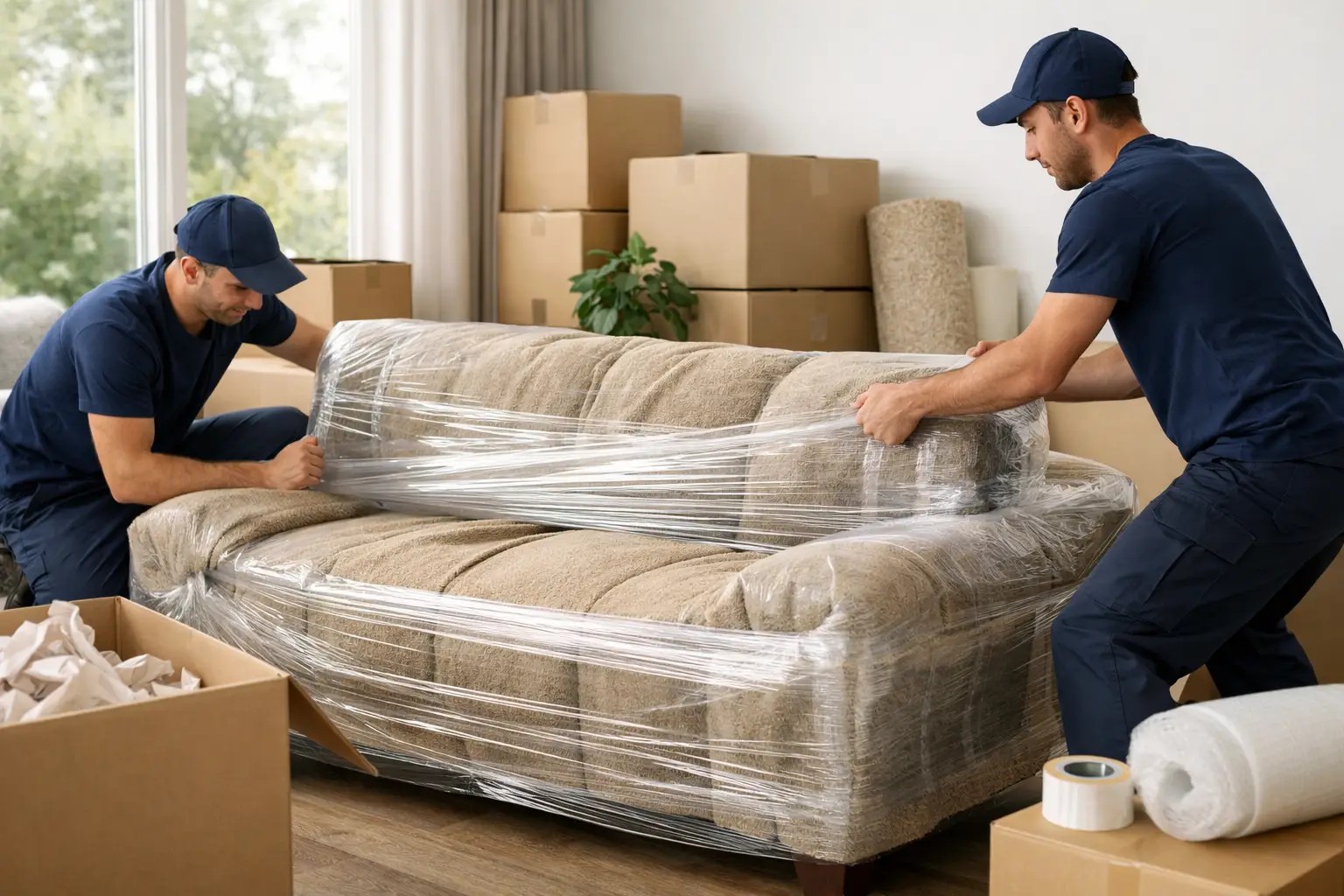
When Furniture Won’t Come Apart: Handling Large Pieces Without Forcing the Move
Some furniture is designed to be dismantled. Other pieces clearly are not. A solid dining table, antique cabinet, built-in-style bookcase, carved wardrobe, oversized desk, or substantial sectional may have been assembled in a way that makes taking it apart impractical—or even risky.
When these pieces need to move, the solution is not to force disassembly. Instead, the relocation should be built around the furniture as it is, with careful attention to weight, dimensions, access, and protection.
Start With the Piece Itself
Before deciding how a large item should be transported, examine its construction.
Look for removable shelves, doors, cushions, drawers, legs, or hardware that can safely be taken off. At the same time, identify components that should remain attached because separating them could weaken the structure.
Measure More Than the Furniture
Record the height, width, depth, and approximate weight of the piece. Then compare those measurements with the route it must travel.
A cabinet that fits comfortably in a room may encounter a completely different situation at the doorway.
Check:
- door openings;
- hallway width;
- ceiling height;
- staircases;
- elevator dimensions;
- sharp corners;
- exterior paths.
This assessment should happen before moving day, not when the furniture is already blocking the entrance.
Protect the Structure Before Lifting
Large furniture that cannot be disassembled needs protection against both direct impact and movement-related stress.
Remove loose contents from drawers and shelves. Secure doors and drawers appropriately, and protect exposed edges and decorative components.
For valuable wooden furniture, pay particular attention to finished surfaces. Covering a piece is not enough if the protective material shifts during handling and creates friction.
Professional furniture handling takes these details into account rather than treating an oversized item like an ordinary moving box.
Create a Route for the Largest Pieces
A difficult piece of furniture can determine the entire moving route.
Before the crew arrives, walk from the furniture’s current position to the exterior exit. Identify anything that could interfere with carrying or maneuvering it.
Clear the Path
Remove small furniture, rugs, decorations, plants, and other obstacles. Open doors fully where possible and make sure stairs and landings are unobstructed.
If the route involves a particularly narrow turn, measure it rather than relying on visual judgment.
At the destination, repeat the same exercise. A successful exit means little if the furniture cannot enter its new room.
Do Not Drag What Should Be Carried
Dragging large furniture across flooring can damage both the furniture and the property.
The appropriate handling method depends on the piece, its weight, its construction, and the environment. Professional movers can determine how to position and maneuver an item while limiting unnecessary stress on joints, finishes, and flooring.
Price Movers offers specialized furniture handling for challenging pieces, including furniture that requires additional attention during transportation. Its dedicated service information can be found at https://pricemovers.com/services/antique-moving/furniture-handling.
Give Antique and Heirloom Pieces Extra Attention

Older furniture often combines substantial weight with delicate construction.
A cabinet may have survived decades while developing joints, veneers, decorative trim, or finishes that are less tolerant of sudden movement. Removing a component without understanding how it was constructed can cause more harm than leaving it intact.
Document Existing Condition
Photograph valuable pieces before transportation. Capture visible surfaces, corners, handles, decorative elements, and existing imperfections.
This provides a useful condition record and can also help when the furniture needs to be positioned or reassembled with any removable components at the destination.
Communicate With Movers Before Moving Day
Do not wait until the crew is standing in the room to mention that a wardrobe weighs several hundred pounds or that a cabinet cannot be dismantled.
Provide dimensions, photographs, approximate weight, material, and access information ahead of time whenever possible.
The more accurately the moving team understands the challenge, the easier it is to prepare the appropriate equipment and handling approach.
For households arranging professional furniture handling, Price Movers can be considered when unusually large or difficult pieces form part of the relocation. Its broader moving services are available at https://pricemovers.com/.
Consider the Floor and Building Too
Furniture handling affects more than the furniture itself.
Hard flooring, polished surfaces, stairs, walls, doorframes, and elevators can all be exposed to accidental contact during a difficult move. Protecting the surrounding route and planning each transition carefully can reduce unnecessary property damage.
In apartment buildings, confirm elevator reservations, loading areas, building rules, and access windows before moving day.
Know When Professional Handling Is the Better Option
A large piece that cannot be dismantled is not automatically impossible to move. The important question is whether it can be transported safely without damaging the item, property, or people involved.
If the furniture is exceptionally heavy, valuable, awkwardly shaped, or difficult to navigate through the building, professional assistance can remove much of the guesswork.
Good furniture handling begins with measurements and ends with controlled placement. By evaluating the piece, preparing its route, protecting vulnerable areas, and communicating its requirements in advance, homeowners can move substantial furniture without relying on risky improvisation.
