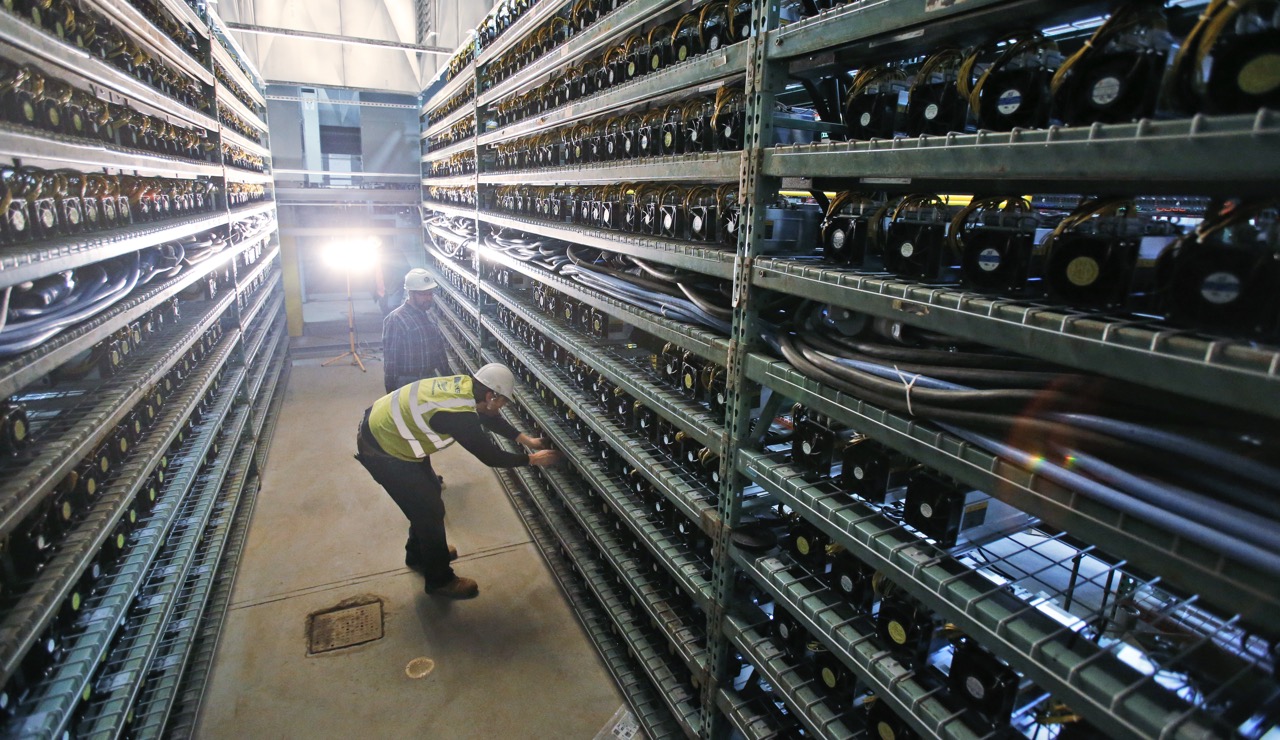
Aurora lawmakers advance rules on data center water use and locations near neighborhoods
AURORA | Aurora lawmakers moved forward some proposed data center regulations and plan to bring forward even more, including a residential buffer requirement.
At Monday’s study session, city lawmakers unanimously supported advancing two regulations, which address data center water usage and zoning, to future council meetings for a vote.
One proposed regulation would ban evaporative cooling, which is a type of cooling system data centers use that can be water-intensive, in multifamily, industrial and commercial buildings. The other would prevent data centers from being built in mixed-use office-institutional zoned areas, which can be located next to or include residential units.
The evaporative cooling measure is expected to be on the Sept. 14 agenda, while the zoning change will first go to the planning and zoning commission before coming to city council.
In addition to the two regulations council supported, they also discussed other potential regulations such as residential buffers and noise reduction, as well as the possibility of changing the definition of a data center in city code to acknowledge different size and scale data centers.
City officials approved a resolution on Aug. 10 directing the city manager to create new data center regulations, including a prohibition on evaporative cooling and a requirement for setbacks and landscape buffers for data centers in certain areas.
The council ultimately, narrowly opposed a similar proposal that included a moratorium on new data centers while the code is adjusted. Public commenters at the meeting were overwhelmingly in support of the moratorium.
The approved resolution left the door open for other regulations, as recommended by the city manager. The city manager has 35 days from the approval to bring back recommended changes.
The council was divided over buffers, noise and definitions. Councilmember Curtis Gardner criticized the staff presentation for suggesting strict regulations, such as showing a residential buffer ranging from one-quarter mile to a mile.
Gardner said one-quarter mile is a significantly larger buffer than “the standard that’s being put in place around most cities in the country.” The staff presentation also referenced 10 cities, such as Aurora, Illinois and Fort Worth, Texas, that have buffers ranging from 100 feet to 2,640 feet.
“To me when you put up ‘What option does council want?’ (and the options are) a quarter-mile, half-mile or a mile and then ‘other’ at the bottom, there is a minimum threshold being set,” Gardner said.
Councilmembers Françoise Bergan and Stephanie Hancock also wanted to see less of a residential buffer.
City staff responded that the goal of the conversation was to get council’s feedback around what other regulations should look like, noting the suggestions were not set in stone.
“This is just to show you all when you start getting up to those larger numbers, you start taking out pretty significant swaths of land from possible development for data centers,” City Manager Jason Batchelor said. “And whether you want that or don’t want that, we’re just trying to show the impacts of those.”
Council disagreed on whether the city’s definition of a data center should be updated to differentiate between facilities of different scales. Councilmembers Rob Andrews, Bergan, Gardner, Hancock and Angela Lawson want to keep the current definition.
However, a majority of council supported updating the code, with Mayor Mike Coffman saying he thinks it makes the most sense to have different standards for the different sizes of data centers.
Councilmember Amy Wiles noted that data centers can range from the size of a single room to several football fields.
“They probably should not be treated the same,” Wiles said.
Gardner and Bergan also opposed additional noise regulations if the city already plans to prevent them from locating next to homes.
“We already have such low decibel maximums that if you add a buffer on top of that I don’t see the need for additional noise mitigation, unless you just want to make it more expensive, which I’m guessing is the case,” Gardner said.
Batchelor said staff would bring more specific potential regulations around buffers, noise and the code definition to a future study session.
City officials say there are five Aurora data centers in the development process and nine already established. Some regulations for data centers are already in place.
Data centers are restricted in location to areas that are zoned industrial, airport districts or mixed-use office-industrial. Data centers can be built in certain mixed-use zoning restrictions under the conditional use process, which has additional requirements for public hearings and city council gets the ultimate decision.
Water use for data centers is governed by the city’s large water user guide. For noise pollution, the city’s unified development code restricts the noise level at data centers to the same level as other businesses, with different allowances based on zoning and time.
Read more Trump’s new economic squeeze on Iran has a big challenge: China
Read more Aurora prep sports schedule, 8.26.26
Read more Aurora prep sports schedule, 8.26.26
