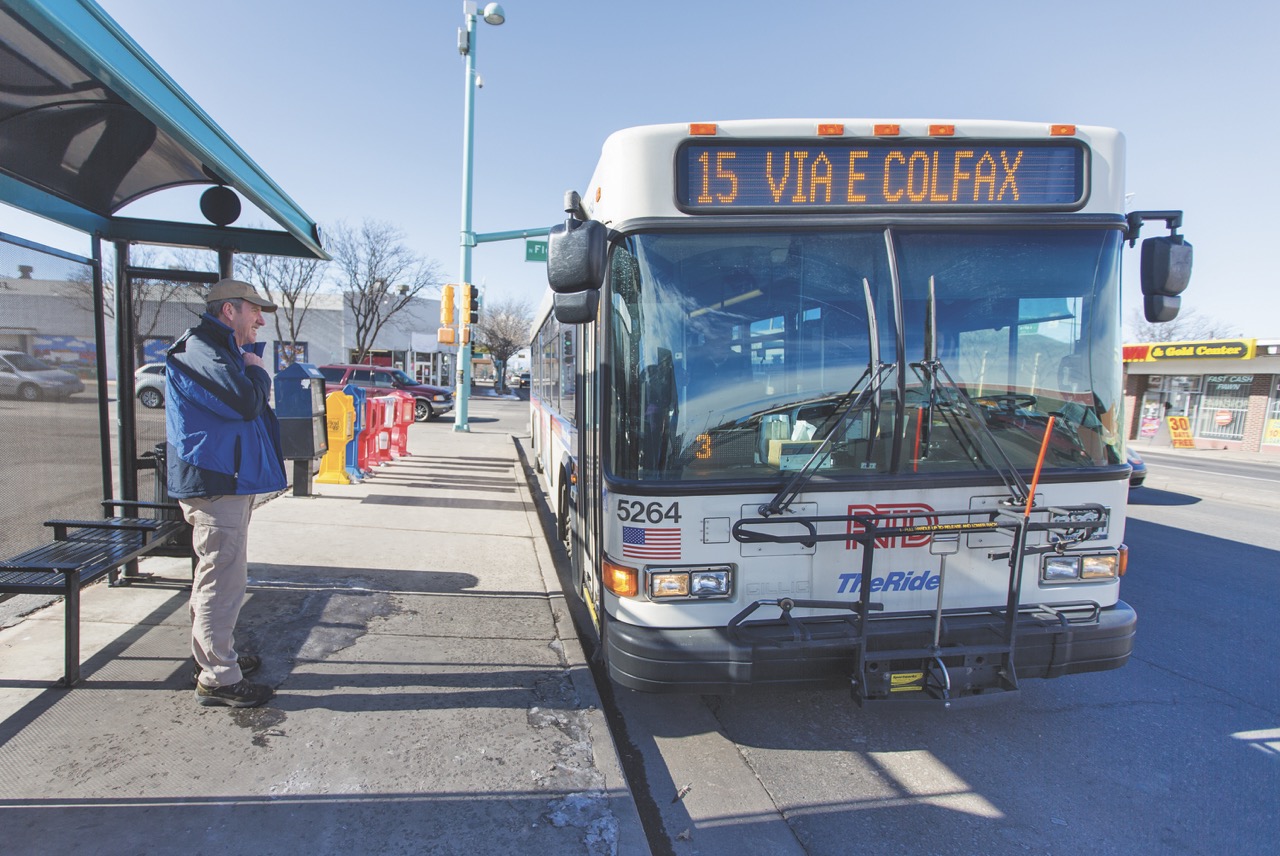
OPED: Stop calling the Legislature’s RTD scheme ‘transit reform’
I still have my first bus pass. It’s on my wall, a symbol of the independence and freedom RTD gave me as a kid. I can close my eyes and trace the blue-and-white schedule pamphlets for the 38, 76, 44 and the D/C Line on the backs of my eyelids. I remember when RTD was the lifeblood of the region – you could live your life without a car. Now, most folks don’t believe that’s possible. But it was real. And it was here.
I’m a lifelong RTD rider. I’ve served on the RTD Advisory Board for Disabilities. I ran to represent Aurora on the RTD Board of Commissioners. I’ve organized as a disability and transit advocate. When the proto-version of Senate Bill 26-150 (Modernizing RTD), went through the legislature in 2024 and failed, I presented the case against it.
So yeah, at the risk of sounding self-important: My voice, and the voices of people like me, should have been included in any serious conversation about RTD reform.
We weren’t included in the conversation about SB-26-150, which passed this week. Why?
Transit organizers and advocates opposed this bill. The City of Aurora and the City of Denver opposed this bill. Local officials familiar with RTD-style elections opposed it. They all raised concerns about SB26-150: reduced representation, increased risk of service cuts, and harm to the communities that rely on RTD.
They were ignored. Why? Because this bill isn’t about us, local elections, or even transit. It’s about advancing a political farce designed to empower the same people who are approving it — not the people who rely on transit. Any transit rider can tell you: RTD is circling the drain.
We’re facing a massive budget gap and 20-30% service loss. That means fewer buses, longer waits, routes disappearing entirely.
Most people couldn’t tell you who sits on the RTD board, and that’s not an accident. Transit has been treated like an afterthought for years. People are pushed away from using public transit, and the people who rely on it have almost no platform to push back.
Lawmakers could change that.
They could invest in transit. Promote it. Make it accessible. Prioritize it.
Instead, they’ve pushed a bill that changes who gets to decide who gets to decide… but not what gets done. The sponsors of this bill will tell you, “I don’t know how to fix RTD, but at least I did something.”
“Something” is a silly little dance that lawmakers do to check a box on a campaign mailer and move on when they don’t want to do anything real or substantial. This dance performance is quietly locking people like me and you out of the conversation. It gives politicians more patronage jobs to dole out to their friends. This bill makes it harder for regular people to have any say in public transit. Bigger districts. More expensive campaigns. More power handed to appointments. If you depend on transit, you can’t reasonably run for RTD now. The remaining elected seats will go to whoever can afford to run large-scale campaigns. The appointed seats will go to whoever is willing to stay in favor with the very same Senators that are giving themselves the power to appoint.
They call it “modernization”. I call it rearranging deck chairs on the Titanic. It is distraction at best; consolidation of power in a Senatorial patronage game at worst.
Instead of stopping the collapse of RTD, lawmakers are fiddling with titles and résumé lines for their loyalists. While the people with the power for actualreform are distracting you with appointment fluff, they are letting the system fall apart.
Lawmakers could:
● Invest in reliable, frequent service people can depend on
● Create real accountability for how transit funding is spent
● End or restructure failing public-private partnerships
● Expand routes to match where people actually live, work, and play
● Remove unnecessary fare barriers to increase ridership
● Actually promote transit; use public platforms to encourage people to ride
● Invest in staff, maintenance, and rider experience so the system feels usable and reliable
● Make RTD elections more accessible and visible, not hidden behind appointments
● Empower the board with the authority and expectationto deliver results
● Land use reform to prevent developer sprawl into districts too large for transit
● Prevent the 20% service cuts
None of that is in this bill. This bill doesn’t “modernize” transit. It doesn’t improve service. It doesn’t build trust. It just gives people already in power even more power – while disempowering anyone who challenges them, including transit users.
Aly DeWills-Marcano is an Aurora resident and a former representative on RTD’s Advisory Board for Disabilities.
Read more The Cannes Film Festival is about to begin. Here are the key films making their debut
Read more Olivia and Liam top the list of most popular US baby names for the seventh year running
Read more From Taylor Swift to the Oscars, 400-year-old ‘Hamlet’ flourishes in the age of TikTok
