Your First Home, Your First Big Move: A Fayetteville Homeowner’s Guide
Buying a first home is usually celebrated at the closing table, but the next milestone begins when the keys are in your hand. Suddenly, decisions about furniture, utilities, boxes, repairs, and the first night in the new property become real.
For first-time homeowners in Fayetteville, moving can feel unfamiliar simply because there is no previous experience to rely on. The process becomes much easier when it is divided into practical stages. From measuring rooms before buying furniture to preparing an essentials box, a little organization can prevent expensive and frustrating mistakes.
Walk Through the House Before Moving Day
A new home should be inspected with the move in mind. Before scheduling transportation, walk through every room and identify where large furniture will go.
Measure doorways, hallways, staircases, and other tight areas. This is especially important if you are bringing furniture from a smaller apartment into a house with a different layout.
Take note of anything that could interfere with carrying furniture, including low railings, narrow turns, fragile flooring, or exterior steps.
The Fayetteville moving information at https://milestonerelocation.com/fayetteville/ can also be reviewed when considering professional assistance for the household transition.
Decide Where the Major Pieces Belong
Do not wait until the moving truck arrives to decide where your bed or sofa should go. A basic room-by-room layout can save considerable time.
Prioritize the furniture that determines how each space functions, then arrange smaller belongings around it.
Resist the Urge to Move Everything
First-time homeowners often underestimate how much unnecessary stuff they have accumulated. Moving into a larger house can make it tempting to bring everything simply because there is more space.
Instead, sort belongings before packing.
Separate clothing, kitchenware, decorations, old electronics, books, and storage items into categories for keeping, donating, selling, recycling, or disposal.
A Greensboro relocation can present exactly the same opportunity to reduce clutter before transportation begins.
Create a First-Week Box
The first week in a new home rarely looks perfectly organized. Some boxes may remain unopened while you’re dealing with furniture, utilities, cleaning, and other priorities.
Prepare a clearly marked box or container containing the things you will need immediately:
- Toilet paper and toiletries
- Basic cookware
- Towels
- Chargers
- Cleaning supplies
- Important documents
- Basic tools
- Snacks and drinks
- A change of clothes
Keep this container accessible rather than burying it beneath the rest of your household shipment.
Prepare the Property Before Furniture Arrives
An empty house provides an excellent opportunity to handle tasks that become harder once every room is full.
If necessary, clean floors, wipe cabinets, check lights, and inspect storage areas before unloading begins. If you plan to paint a room, install shelving, or make other improvements, consider completing them before large furniture occupies the space.
Check Utilities
Confirm that electricity, water, and other essential services are active before moving day. Test important fixtures and appliances where possible.
Arriving at a house without working utilities can turn an otherwise organized move into a much more difficult first evening.
Think About Furniture Protection
New homeowners often focus on protecting their possessions but forget about the new property itself.
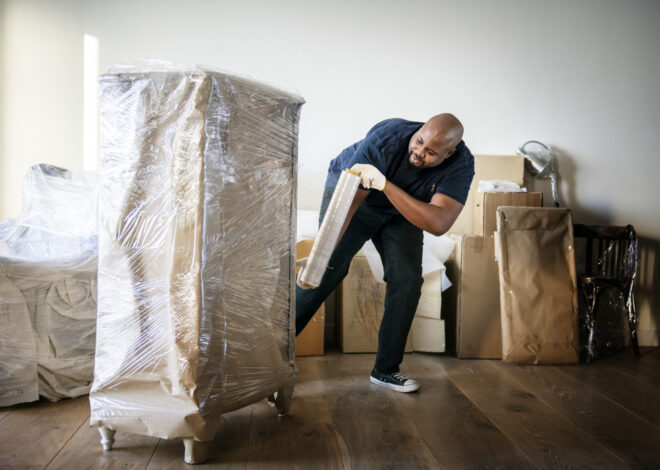
Freshly finished floors, painted walls, door frames, and stairs can be damaged when large furniture is carried inside. Protective coverings and careful handling can reduce the risk of scratches and marks.
Tell the moving crew about surfaces that require additional attention.

Professional moving assistance from Milestone Relocation can take much of the heavy transportation work off a first-time homeowner’s shoulders, allowing you to concentrate on preparing the property and organizing the arrival.
Understand the Difference Between Boxes and Furniture
Not everything should be packed into large containers. Heavy books, tools, and dense kitchenware can make oversized boxes extremely difficult to lift.
Use appropriately sized boxes for heavy belongings and larger containers for lighter items such as bedding and clothing.
Clearly label each box with both the destination room and a short description of its contents.
This makes unloading much more efficient and means you do not have to open every container to discover where something belongs.
Keep Important Purchases Accessible
A first home often comes with new purchases: appliances, tools, furniture, lighting, or home-improvement supplies.
Keep receipts, warranties, manuals, keys, and installation information organized. Do not allow these documents to become mixed with ordinary household paperwork.
If furniture arrives separately from the main move, coordinate delivery dates so you do not create unnecessary congestion in the new home.
Don’t Forget the Garage
First-time homeowners sometimes concentrate so heavily on bedrooms and living areas that the garage becomes a last-minute storage problem.
Decide where tools, bicycles, lawn equipment, seasonal decorations, and storage containers will go. Keep pathways clear so that larger household items can be positioned without repeatedly moving smaller boxes.
If the garage will also serve as a temporary unloading area, establish that before the moving crew arrives.
Leave Time for the Unexpected
A first move into a house rarely follows a perfect schedule. Furniture may require additional assembly, an appliance may need attention, or a room may work differently than expected once everything is inside.
Do not fill the moving day with back-to-back appointments. A reasonable buffer gives you time to handle small surprises without unnecessary stress.
The same flexibility is useful during a Greensboro relocation, particularly when homeowners are coordinating transportation with closing dates, contractors, or utility appointments.
Make the First Move a Learning Experience
Becoming a homeowner means taking responsibility for an entire property, and the first move is part of that learning curve. Measure before carrying, sort before packing, prepare essential supplies, protect new surfaces, and decide where major furniture belongs.
For Fayetteville homeowners, working with professional movers can also simplify the most physically demanding part of the transition. With support from Milestone Relocation and a little advance organization, moving into your first home can feel less like a mountain of boxes and more like the beginning of a new routine.