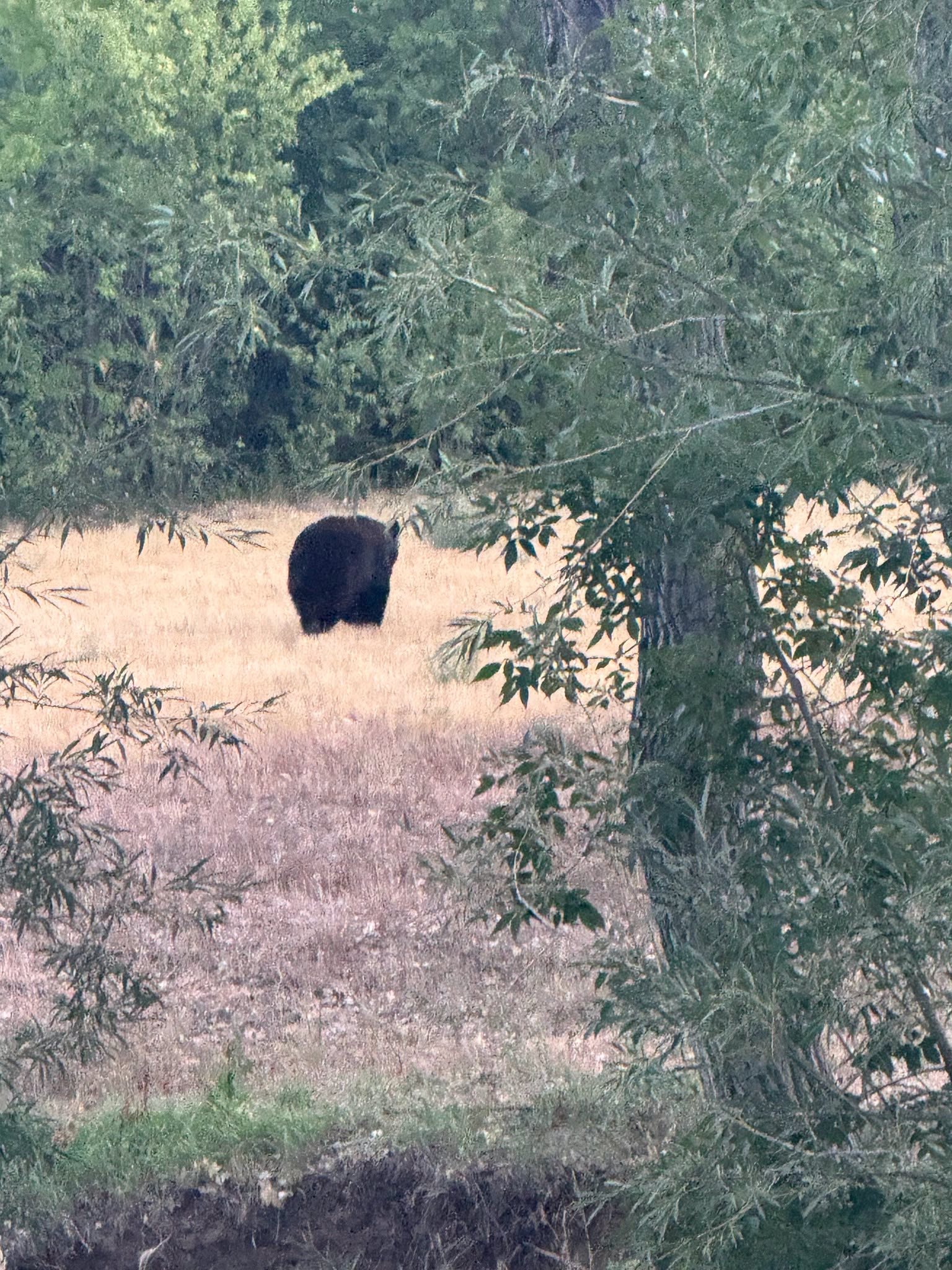
Bearly mid-summer, major ursa sightings are sky high in the metro area, but not in Aurora
AURORA | As if the relentless heat and brown grass isn’t enough for Front Rangers these days, get ready for bears.
“So we’re seeing more bears there than we have in any year,” Colorado Division of Wildlife spokesperson Kara Van Hoose said Friday.
The Arapahoe County Sheriff Department relayed a bear sighting Thursday along the Highline Canal near the 6000 Block of South Franklin Street in Centennial.
Last week, there was a bear sighting in Lone Tree, one in Arvada, another in Littleton and many sightings closer to and into the foothills.
“So it’s not uncommon for us to have bears pop up in those locations, but it’s the time of year that’s unusual,” Van Hoose said. Not even August,”it’s happening earlier in the year, and it’s the quantity.”
Bears looking for big meals in the fall as they get ready for hibernation are pretty common sightings in the metro area. But not this early.
It’s the drought, Van Hoose and other wildlife officials point out. Low snowpack from last winter and the hot and dry spring and summer have made for a real lack of forageable foods that the bears normally eat.
And so the bears follow their noses to find dinner, in trash cans, cars and back yards.
Surprisingly, Aurora hasn’t had any reported bear sightings, she said.
Van Hoose said it’s likely because of how Aurora is kind of carved out of the metro area with interstates, 70, 225 and 25.
That’s not always been the case. A wandering and persistent bear in southeast Aurora in 2019 had even police and local deputies on a manhunt for the bear.
After tracking the bear with drones and tailing it for a couple of days, Aurora police let it go.
“He didn’t commit any crimes, he didn’t steal any picnic baskets or anything so we didn’t apprehend him,” Aurora police spokesperson Officer Anthony Camacho said at the time. “We decided to just leave it be.”
That was in late September, when bears often go shopping for high-calorie meals.
This is different, Van Hoose said.
It’s time to go beyond best practices that prevent drawing bears and other unwanted animals to your house and step it up, she said.
Don’t just bring the bird feeders in at night, don’t set them out at all, she said. Thoroughly clean your barbecue grill after each use, and think twice about using it if you’ve seen bears around. Make sure your car doors are locked, as well as house windows and doors. Bears can easily push through window screens.
Bears are pretty smart and very determined, she said.
“But Bears are naturally skittish.They’re not really curious” and care not to hang around people and all the noises and oddities they surround themselves with.
So Van Hoose suggests capitalizing on that. If you see a bear nearby, set off the car alarm or trigger outdoor lights. Make noise by banging on something or even just “yelling whatever you want.”
“They’re more likely to run away,” she said.
If they don’t, don’t turn and run.
“First of all, you can’t see the bear,” Van Hoose said. And that can trigger an instinct in the bear that you’re prey.
Make noise. Raise your arms. Back away into your house or car.
Then call wildlife officials or 911 if the situation is critical.
Wildlife officials say that the number of sightings will only increase as the days grow shorter and the bears start looking even harder and further for food.
“We’re not even at the time period where we normally see high numbers for bears, so yeah, it’s keeping your trash locked away and not putting it out on the curb until morning of pickup.”
To report a bear sighting during business hours, call the Denver wildlife division at 303-291-7227.
Read more The risks of waiting too long to harvest garden vegetables
Read more Between prices and a diarrhea-causing parasite, lettuce is causing hard times at some restaurants
Read more The Mediterranean’s warming waters are drawing hundreds of invasive species
