PERRY: The need for better rental inspections and accountability is clear. So is the solution
So little comes easy these days, especially inside Aurora City Hall.
A proposal to create a registry of landlords for not just apartments, but condos, townhomes and houses is a total exception to the city’s often exasperating political process.
This is easy.
Yes, by all means create a landlord registry to hold property owners accountable and help to ensure that the renting public has a mechanism to ensure they’re not being scammed by their landlords.
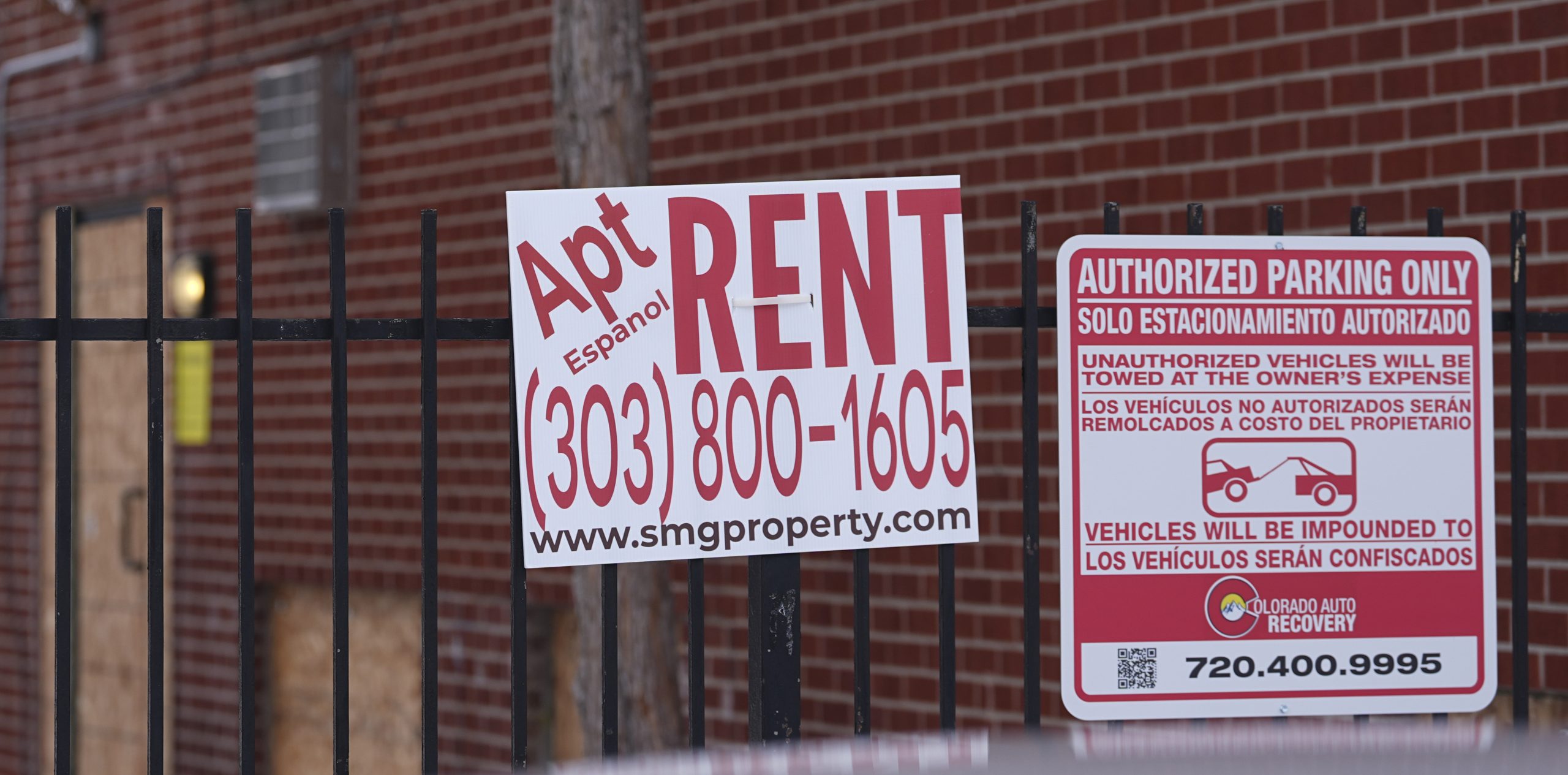
Aurora renters are paying eye-watering amounts of money every month just to keep a roof over their heads. Across Aurora and the Denver metro area, rents have climbed to levels that strain family budgets, force difficult sacrifices and leave many tenants with no flexibility when things go wrong. Once renters sign a lease, they are often locked into a costly commitment with limited practical options if a landlord refuses to maintain a property or respond to legitimate complaints.
That’s why this proposed registry is not some radical expansion of government. It’s a basic accountability measure.
The city’s own housing and code enforcement officials have identified a recurring problem this proposal addresses. Too often, nobody can quickly determine who is actually responsible for a problem rental property. Neighbors dealing with blight can’t get answers. Tenants struggling with unsafe conditions can’t get action. City officials trying to enforce codes can’t find a local representative empowered to fix problems.
The proposal championed by Mayor Mike Coffman and Councilmember Alison Coombs addresses that simple but critical problem. If someone is collecting rent from Aurora residents, the city ought to know who they are and how to reach them. Requiring annual registration and a local contact is common sense.
Aurora has already learned this lesson the hard way.
The city’s recent experience in northwest Aurora should have permanently ended the debate over whether local government needs better tools to deal with absentee property owners. Residents watched as a New York property management company allowed several apartment complexes to deteriorate into ghastly and unlivable conditions. The situation became a national spectacle. Coffman accurately described such operators as “slumlords.”
The real victims were the tenants.
In too many cases, unscrupulous landlords exploit vulnerable renters, particularly poor families and immigrants. Some charge excessive rents while failing to provide safe and habitable housing. Others rely on intimidation, either overtly or subtly suggesting that complaints could attract police attention, threaten their lease or create immigration concerns.
That’s not entrepreneurship. It’s extortion.
Critics of the proposal argue that existing state programs, tenant resources and local inspection efforts already provide sufficient oversight. It can’t be any more obvious they don’t.
If they did, city leaders would not repeatedly encounter situations where code enforcement struggles to identify responsible parties or where tenants spend months trying to get dangerous conditions addressed.
Some opponents also frame the proposal as an attack on property rights. That argument misunderstands the issue.
Property ownership comes with rights. Renting property is a business. When a landlord accepts rent, the relationship becomes a commercial transaction with obligations on both sides. Every legitimate business is subject to regulations designed to protect consumers, public health and public safety.
If a property owner can’t maintain acceptable living conditions while continuing to collect rent, that owner isn’t running a business. They’re running a scam.
Charging people for housing while failing to keep the property livable is fraud, and the consequences are uniquely cruel because a family’s safety, health and daily existence depend on that housing.
Some Republican council members expressed surprise that Coffman, also a Republican, is helping lead this effort. There is nothing surprising about it.
Coffman previously owned and operated property management companies. He understands the industry. He also spent years as a state legislator and member of Congress, where he saw firsthand how absentee owners and irresponsible landlords can destabilize neighborhoods and damage entire communities.
A landlord registry alone will not solve every housing problem in Aurora. The city should continue developing stronger tools to ensure rental homes and apartment buildings remain safe for both tenants and surrounding neighborhoods.
But as a first step, this idea is ripe for approval.
Follow @EditorDavePerry on BlueSky, Threads, Mastodon, Twitter and Facebook or reach him at 303-750-7555 or [email protected]
Read more Pentagon chief lashes out at NATO allies and announces a review of US forces in Europe
Read more Trump signs deal with Iran to end war, delay nuclear issue and sell oil freely
Read more Education Department overhaul sparks concerns for students with disabilities
