Aurora considers targeted regulations for new data centers amidst growing concerns
AURORA | As surrounding municipalities are implementing moratoria on data centers, Aurora city lawmakers are exploring potential regulations for the facilities.
Councilmember Amy Wiles, Aurora city staff and representatives from Xcel Energy and QTS Data Centers held a town hall meeting to share information about local data centers and answer questions about the facilities’ impacts and existing restrictions.
Wiles said she considered proposing a moratorium, but she now thinks more targeted regulations would better address concerns about the location and impacts of data centers. Wiles said she may bring forward regulations further limiting where data centers can be built and getting rid of landscaping requirements, which are water intensive.
“I personally think we need a neighborhood buffer to make sure they’re not being built right next to neighborhoods,” Wiles said. “I think we have some good steps right now that we can advance as regulations.”
Wiles said she is looking to other cities, like Aurora, Illinois, for best practices.
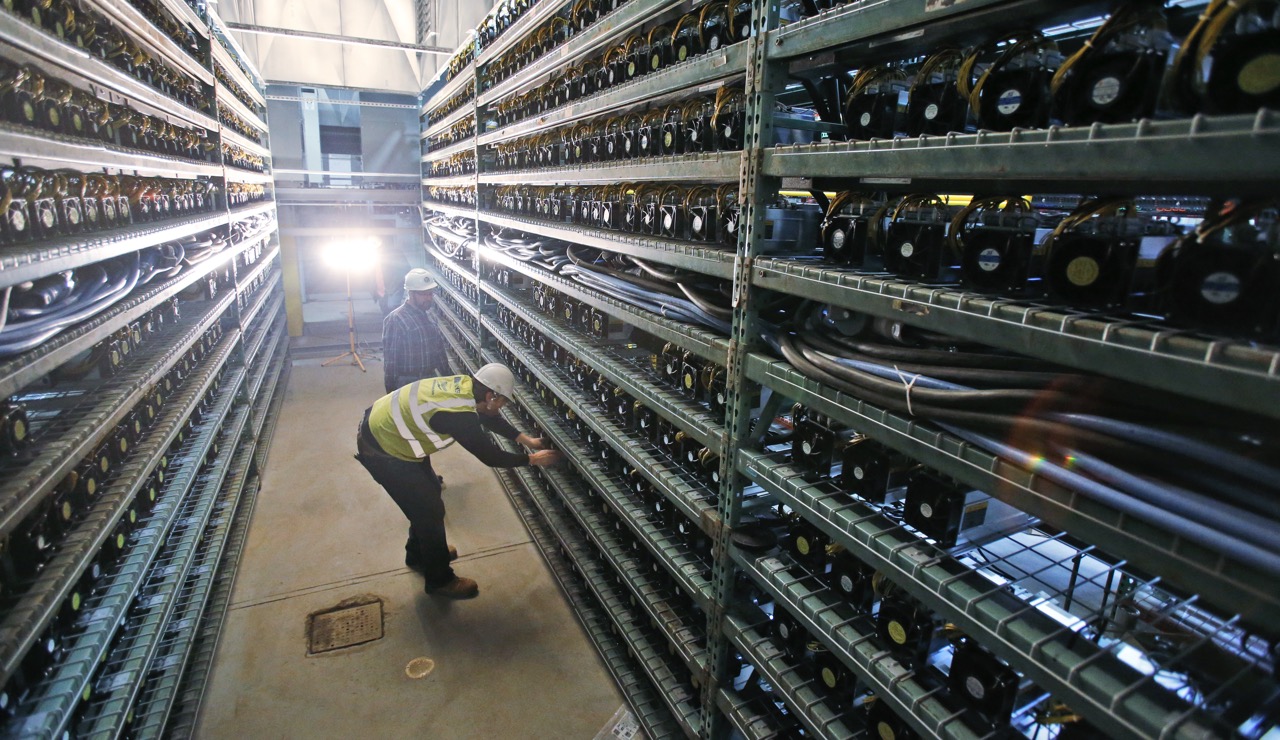
Currently, this city has nine data centers, with the oldest established in the 1990s, and five more data centers are in various stages of the city’s development process, according to City Manager Jason Batchelor. In addition to supporting artificial intelligence, data centers support a multitude of internet services, including social media, cloud storage and financial transaction processes.
Data centers can range in size and resource consumption, with the largest and most consumptive being hyperscale facilities. Data centers are regulated under the city’s large water user guide, which governs all large developments.
QTS Data Centers has the city’s largest data center, 1160 Gun Club Road, which has an energy capacity of 160 megawatts, so it can demand up to that much power consistently.
The town hall meeting touched on many questions around water and energy use, where data centers are located and how the city regulates the facilities. Here’s a summary of some of the information shared.
Where are data centers allowed to develop?
Data centers are permitted in Aurora areas that are zoned industrial, airport districts or mixed-use office-industrial. Data centers can be built in certain mixed-use zoning restrictions under the conditional use process, which has additional requirements for public hearings and city council gets the ultimate decision.
Data centers are prohibited in other types of zoning, including residential.
How much water do data centers use?
It depends, but in Aurora, not a lot, according to city officials. The average local data center use is around 500,000 gallons per month, according to Aurora Water. In comparison, the average golf course uses 1 million gallons per day and the average residential indoor monthly use per person is about 1,500 gallons.
Marshall Brown, the director of Aurora Water, said a majority of the water used by data centers is used for outdoor irrigation. The combined use of all of the city’s data centers is 0.3% of the annual water demand. Outdoor landscape irrigation accounts for roughly 40% annual demand, making it the largest category of water use.
Other than outdoor irrigation, data centers use water in cooling systems, as well as typical indoor uses like bathrooms. Michael Grassmick, a vice president at QTS, said their cooling system is known as a closed-loop system and uses less water than other varieties because the water is reused indefinitely. The two QTS Aurora centers combined use 300,000 gallons in the cooling system.
More water-dependent systems are evaporative cooling and hybrid systems. Grassmick said water and power usage is a trade-off, so the less water a data center needs, the more energy it uses.
How much energy do data centers use? Do they use clean energy?
Data centers in Aurora, and Colorado at large, are connected to the Xcel Energy grid, which draws on a mix of coal, natural gas, wind and solar power. Xcel’s website says approximately 47% of its energy comes from renewable sources.
In a statement to the Sentinel, Xcel said it cannot calculate an average energy use for data centers because “energy use can vary significantly depending on the size of the facility and its operational requirements.”
QTS said it’s planning to draw up to 200 megawatts during operation for its Colorado data centers over the next five years. Xcel representative Hollie Velasquez Horvath said the state’s largest energy demand comes from the EVRAZ Steel Mill in Pueblo, which can draw 240 megawatts.
Do data centers impact individual household energy or water bills?
No. Xcel and Aurora Water officials said data centers do not contribute to individual household rates. Ratepayers are only charged for their personal use.
In a statement to the Sentinel, an Xcel representative said recent proposed rate increases stem from increasing costs for infrastructure maintenance, the costs of transitioning to renewable energy, fortifying the grid against extreme weather and rising demand for electricity, even excluding data centers.
Horvath said data centers pay for their own distribution systems, as well as any transmission infrastructure needed to support the data center. Once the transmission infrastructure is built, it’s owned and operated by Xcel, though the data centers continue to be responsible for the maintenance costs.
How do data centers manage pollution and what regulations exist for pollution?
Many data centers have diesel generators on site to power the facility in case of outages or restrictions. Grassmick said any time a generator is used, it must be reported to the Colorado Air Quality Control Commission and tracked. He added that QTS is limited on how often it can use its generators and for how long.
The Colorado Air Quality Control Commission enforces state regulations for air pollution.
For noise pollution, the city’s unified development code restricts the noise level at data centers to the same level as other businesses, with different allowances based on zoning and time. City Manager Jason Batchelor said the city will evaluate noise levels if a complaint is made.
How do data centers benefit the city and what incentives has the city given to data centers?
Data centers benefit the city mainly through contributing property taxes, which also benefit public schools. According to property records, the QTS Aurora site paid $4.55 million in property taxes this year.
In the past, the city has offered data centers sales and use tax incentives, Batchelor said. For QTS, the city approved a sales and use tax rebate between 40-60%, with a cap of approximately $19 million, according to 9News.
Data centers also provide some jobs, with the peak employment coming during construction.
Read more Who says a vegetable garden needs full sun? Some plants do well in shadier spots
Read more US airlines are redesigning travel around their highest-paying passengers
Read more Girls Swimming: Smoky Hill, Grandview swimmers named Academic All-Americans by NISCA
