As Ebola spreads in Congo, a radio station tries to stop health misinformation
BUNIA, Congo | The rare Bundibugyo type of Ebola that Congo is battling took locals by surprise after weeks of spreading unnoticed. Hundreds of cases were suspected when Congolese authorities announced the outbreak on May 15, but many dismissed the news as a “Western conspiracy.”
At least 63 people have died from 397 confirmed cases, the Africa Centres for Disease Control and Prevention said Friday. Yet the outbreak has been challenged by skepticism, attacks on health workers and misinformation.
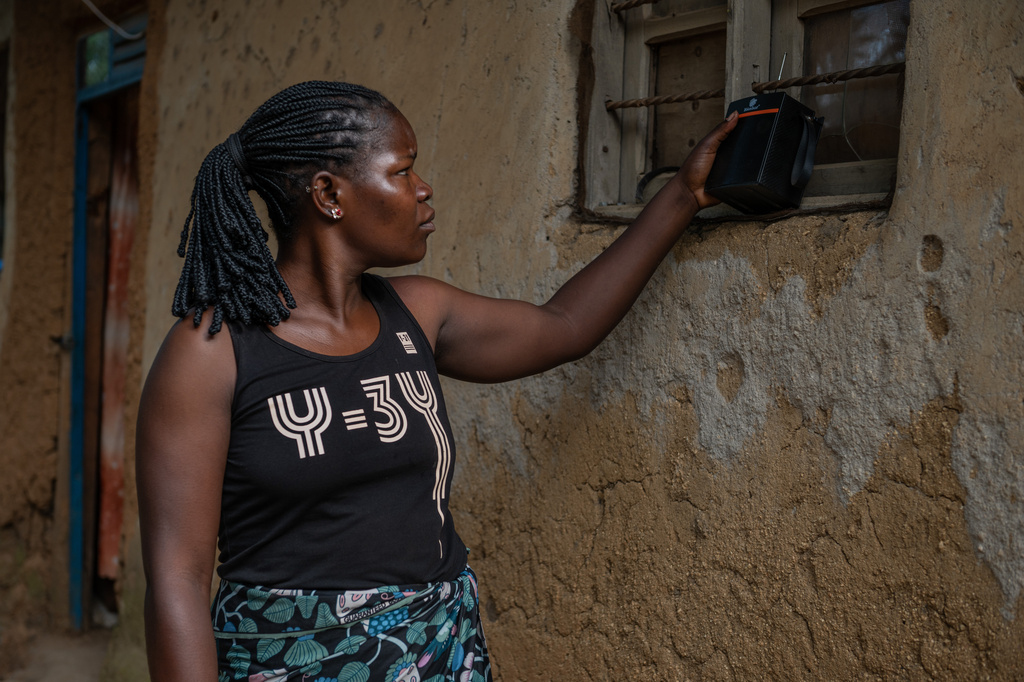
Vérité Johnson, a journalist and editorial secretary at the Radio Télévision Mont Bleu station in Bunia, the capital city of the eastern Ituri province where the outbreak is concentrated, decided to produce a new program to combat rumors.
The radio show has emerged as a vital tool to win over some residents who have been unaware or skeptical about the facts of Bundibugyo.
WHO chief says misinformation almost as dangerous as the virus
The 45-minute program runs daily at 10 a.m., reminding people of the dangers of Ebola and regularly featuring health specialists who provide updates and answer questions. The show’s jingles about the virus play intermittently throughout the day and residents are able to call in with questions.
“So far, there’s still a layer of resistance within the population, and that’s where the media plays an important role,” Johnson said.
“Misinformation is almost as dangerous as the virus itself and spreads just as fast. Earning and keeping the trust of communities is at the heart of everything we do,” World Health Organization Director-General Tedros Adhanom Ghebreyesus said Friday as WHO and the Africa CDC launched an Ebola response plan with partners.
Tedros said the new plan aims to raise $518 million to “stop the outbreak where it is, support countries that are responding today and ensure that neighboring countries are ready to detect and act quickly if cases appear.”
Resistance to protocols during public health emergencies is common in Congo, which is battling its 17th Ebola outbreak since the virus was first identified there in 1976. There currently is no approved vaccine or treatment for the Bundibugyo type of Ebola, which has added another layer of fear.
Widespread rumors, often arising from fear and misinformation, discourage residents from adhering to health warnings or seeking medical help during an outbreak, health officials say.
Mistrust among residents lead to delays in seeking care
Many residents remain distrustful of health authorities, with some alleging that officials are profiting from the outbreak.
“I can never take the vaccine, I prefer to die because if the vaccine arrives, it can scare us even more,” said Samson Gerson, a 52-year-old Bunia resident and father of seven children.
Analysts say some people in Congo have been receptive to disinformation due to mistrust of the healthcare system and because some local officials have not become actively involved in containing the disease.
“What is key is to involve the local actors at all levels. If we try to impose what we think is right to the community, we are running towards failure,” said Basile Rambaud, emergency programs director for Mercy Corps in Congo. “If people do not trust the response, they end up delaying to seek care, rejecting protective measures, or avoiding working with health teams, giving the virus more time to spread.”
Ituri province residents have launched at least three attacks against health centers, demanding the bodies of deceased patients. Some people who are believed to have Ebola left the centers during the attacks and health workers could not account for their whereabouts.
“We don’t even know what the body of a person who died of Ebola looks like, but we just see images and montages on our phone,” said Bunia resident Chantal Francine, who expressed doubts over the reported deaths.
Full scale of the outbreak is unknown
The virus has rapidly spread from an initial three health zones to 24, according to WHO chief Tedros.
Experts and WHO officials have warned the numbers might not reflect the true scale of the epidemic as weeks of testing for the wrong type caused a delay in containing the virus.
The outbreak has been worsened by an ongoing armed conflict between Congo’s government and the Rwanda-backed M23 rebel group, as well as attacks by the Islamic State-affiliated group the Allied Democratic Force, which killed 16 people in Beni territory in North Kivu on Tuesday.
The attacks by both groups have caused massive displacement of people living in the conflict areas, officials said.
Despite the growing Bundibugyo outbreak and the conditions that are enabling the disease to spread, Johnson said Radio Télévision Mont Bleu continues providing residents with vital facts.
“Everyone is free to think what they want, but the information remains the same. The epidemic is here,” Johnson said.
Adetayo reported from Lagos, Nigeria.
For more on Africa and development: https://apnews.com/hub/africa-pulse
The Associated Press receives financial support for global health and development coverage in Africa from the Gates Foundation. The AP is solely responsible for all content. Find AP’s standards for working with philanthropies, a list of supporters and funded coverage areas at AP.org.
Read more Aurora Black community leaders demand city reaffirm’s convictions in Elijah McClain case
Read more Senate blocks extending key surveillance program following backlash over Trump pick to lead intel
Read more 4 years running, Southern Baptists weigh tightening ban on churches with women pastors