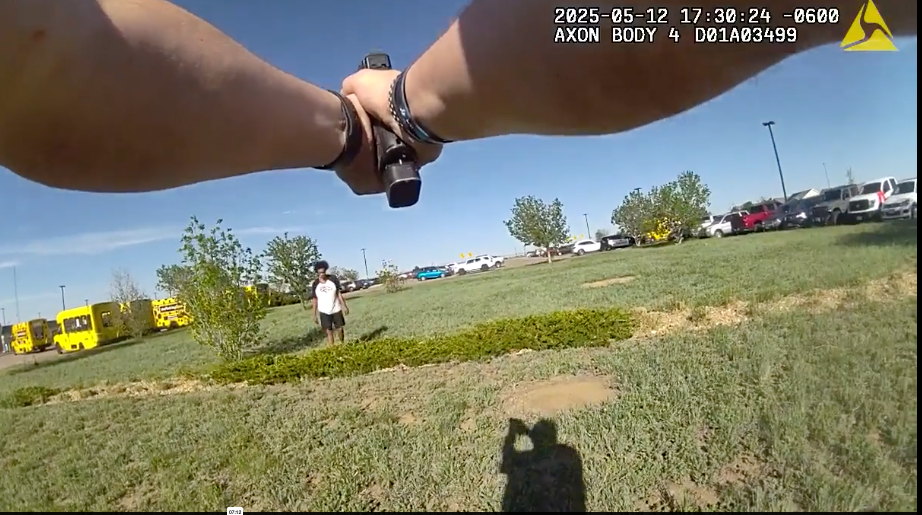
EDITORIAL: Aurora needs an alternative to shooting people having a mental crisis
An observation last week from the city’s police reform monitor is both spot on and dead wrong. That it comes from the paid agent overseeing the city’s reform efforts to prevent police from using excessive force, is problematic.
IntegrAssure’s recent report correctly points to the glaring fact that the mental health system in Aurora, and across the state and nation, is broken.
Everyone agrees on that. Federal officials. State lawmakers. Local governments. Mental health providers. Advocacy groups. Families desperate to find help for loved ones in crisis. The nation’s behavioral health system is overburdened, underfunded, fragmented and often inaccessible to those who need it most.
But there is a dangerous leap in logic between recognizing the failures of the mental health system and suggesting those failures explain why Aurora police continue to kill people suffering mental health crises.
The shortcomings of America’s mental health system are hardly a recent revelation. The problem predates Aurora’s police reform efforts by decades.
In the 1960s and 1970s, the nation began dismantling a vast network of state mental institutions. Those institutions often served as warehouses where people with severe mental illnesses were effectively locked away, frequently for years and under ghastly conditions. The shift away from mass institutionalization was driven by a variety of forces: the emergence of psychotropic medications, growing recognition of the cruelty of treating mental illness as a crime, and a national desire to reduce the enormous human and financial costs of mass confinement.
The change was humanely necessary, and it was progress.
But the promised network of community-based mental health services never materialized at the scale needed to replace what was lost. For half a century, governments at every level have struggled — and largely failed — to create a system capable of meeting the demand.
IntegrAssure is right to insist that local, state and federal leaders confront those failures. The report is hardly alone in urging policymakers to improve access to treatment, coordination of services, crisis intervention and long-term care.
Yet the assessment fails to adequately explain why Aurora police continue to shoot, injure and kill people suffering mental health crises. And the report certainly does not offer a valid excuse.
A stronger mental health system might reduce the number of encounters between people in crisis and police officers. It might divert some cases before they become emergencies, and it might save lives by making police-involved shootings a problem of better odds.
But it cannot explain away the central issue confronting Aurora. The best way to prevent Aurora police from shooting people suffering a mental health crisis is for Aurora police to find a way to stop shooting people suffering a mental health crisis. Suggesting otherwise is akin to police recommending that pedestrians stay off Aurora streets if they want to avoid being killed in auto-pedestrian crashes.
The problem is not that people suffering from a mental crisis exist and venture into the public. The problem is how systems respond when they do.
Police responding to so-called psych calls is not unique to Aurora. Officers across Colorado and the nation routinely answer calls involving people in mental distress, whether armed or unarmed, compliant or combative.
What is unique is Aurora’s history.
When Colorado Attorney General Phil Weiser imposed the consent decree that still guides reform efforts today, he did not cite a failed mental health system as the root cause or a community that included too many people of color. He cited Aurora Police Department “patterns and practices” that led to unacceptable levels of excessive force against members of the public, and especially people of color.
That distinction is critical and cannot be discarded or ignored.
Aurora has invested heavily in crisis-response programs. It has expanded clinician partnerships. It has worked to improve training and procedures. Those efforts matter, but they clearly aren’t enough.
Residents should reject any narrative suggesting that responsibility for fatal police encounters rests primarily with hospitals, therapists, families or a behavioral health system stretched beyond capacity.
Insisting that people “hide their crazy” or risk being shot dead is ludicrous and unacceptable.
Responsibility rests first with the agency pulling the trigger.
Yes, city leaders, police officials, community advocates and lawmakers should aggressively pursue better mental healthcare, especially for poor and financially struggling residents who face the greatest barriers to treatment.
At the same time, everyone must insist that Aurora police must continue working until responding to a mental-health crisis no longer carries an unacceptable risk that someone in crisis leaves the scene dead.
Read more Feeling a little bleak about the world? There’s a film festival for that
Read more Iran and the US trade strikes in the Persian Gulf, further testing ceasefire
Read more Predators hire Chris MacFarland from Avalanche to become president of hockey operations/GM
